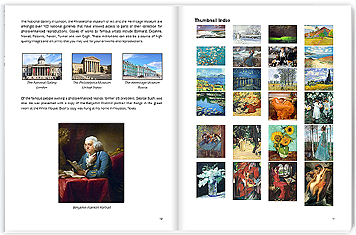
The Art Print Masterpiece uses modern eBook technology to bring the
look and feel of a print publications into the digital world. With its
interactive, tactile turning pages, the manual provides an optimum level
of user-friendly interaction with internal links to content and external
links to exclusive reader resources.
The interactive nature of
the manual invites readers to engage more deeply with the content,
potentially increasing retention and interest.
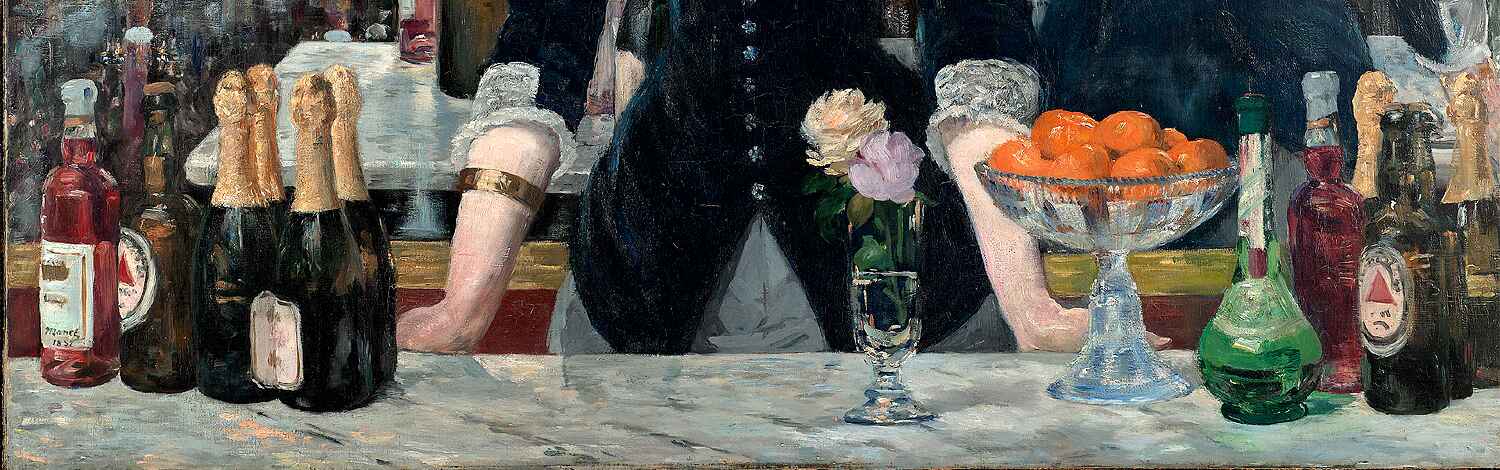
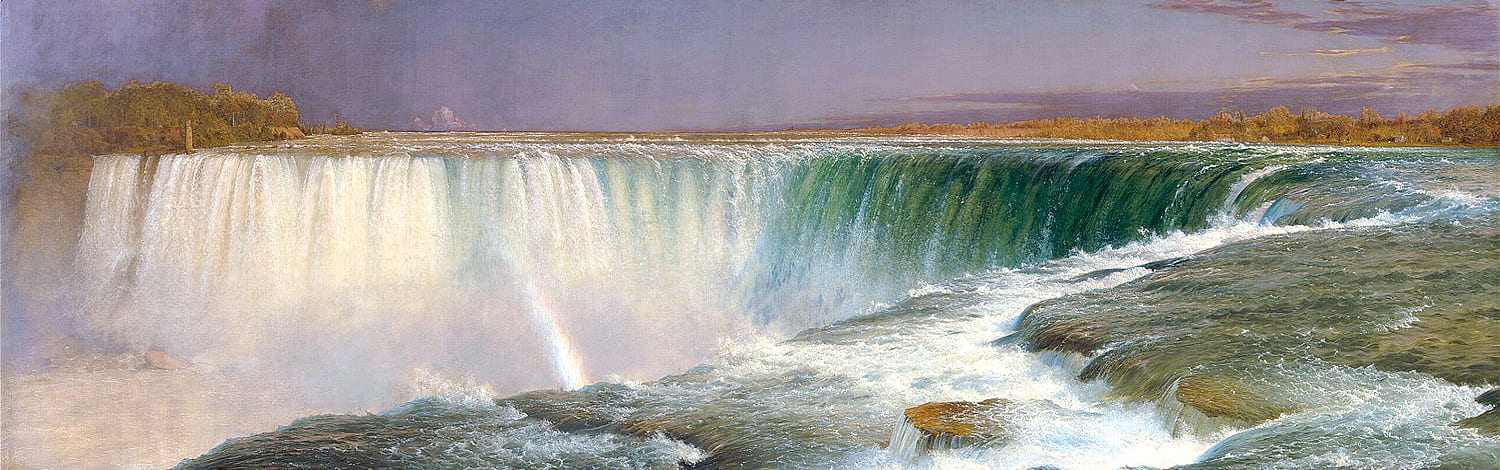
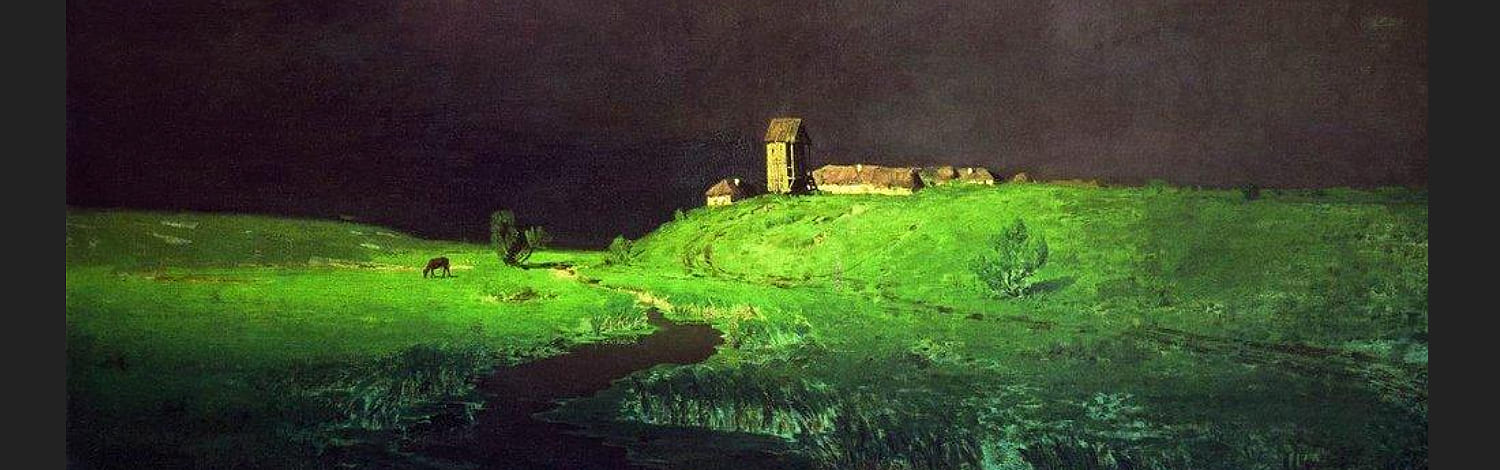
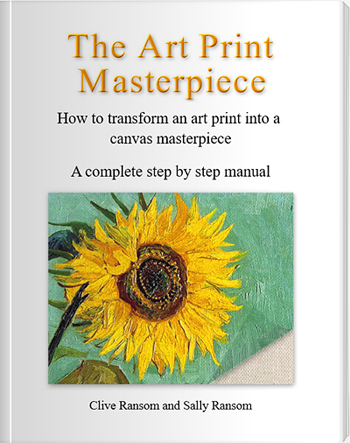
You can get a feel of this modern eBook technology by checking out this 37 page eBook sampler, featuring 24 of the worlds most beautiful paintings. This sampler will also confirm compatibility with your desktop and hand held devices.
Using and navigating the manual tends to be intuitive but here you
will find more information.
Free Support
When you're learning something new, especially from a book, it's nice to know that help is at hand if needed. As a registered reader, you will receive my free personal support should you encounter any difficulties with any of the painting replication techniques. You only have to ask by email and I'll promptly respond to you personally.
100% Money Back Guarantee
 I'm
so convinced that you will be absolutely delighted with
The Art Print Masterpiece manual and
the replica paintings that you will be able to create, that I'm
offering you a full 60-Day, 100% Money-Back Guarantee.
I'm
so convinced that you will be absolutely delighted with
The Art Print Masterpiece manual and
the replica paintings that you will be able to create, that I'm
offering you a full 60-Day, 100% Money-Back Guarantee.
If you're not completely satisfied for any reason, you will be issued with a prompt refund. You have absolutely nothing to lose.
Exclusive Reader Zone
The manual provides external links to an exclusive reader zone with helpful resources as well as details of the ideal tools and materials for creating perfect canvas transfers and painting reproduction. Details of where these items can be purchased online are also provided in both the US or the UK.
What Experience Do I Need ?
If you're an absolute beginner with a passion to learn, then The Art Print Masterpiece is written for you. If you have average skills and patience, then you should have no problems. If you are creative, or have even a little experience in arts and crafts, then you will have a head start.
Create Realistic Canvas Paintings Without Artistic Knowledge
One of the biggest surprises for beginners is just how effective this method can be. You don’t need to draw or paint from scratch - instead, you’re enhancing an existing image with texture and depth.
By combining a printed image with canvas and carefully applied brushwork, you can achieve:
- Realistic 3D brushstroke effects
- The depth texture and look of an original painting
- A handcrafted, gallery-style finish
- A unique painting reproduction that you created yourself
This approach removes the pressure of traditional painting while still giving you the satisfaction of creating something truly unique and personal.
What Else Can I Discover in the Manual?
In addition to creating canvas transfers, the manual will also show you:
- How to stretch canvas
- How to perform brushwork
- How to replicate age and realism
- How to varnish
- How to make your own picture frames
- How to make picture name plates
- How to makes special tools for enhancing brushwork
There is also a chapter with tips on selling your work, picture care and more. A Table of Contents can be found in the book description.
I'm still perfecting the transfer! I love it and I love how it looks!
Catherine
Do I Need a Studio, or Any Special Facilities?
All of the canvas transfer and replication techniques can easily be done at home, on the kitchen table.
You don't need to buy any expensive tools or equipment to produce valuable looking painting reproductions. You just need an art print, some artist's materials, artist's canvas and The Art Print Masterpiece.
All the techniques have been well proven, demonstrated and tested and have been used to create replica paintings and reproductions sold to discerning individuals, collectors and the trade throughout Europe and the US.
I'm reading your book and thoroughly enjoying it, your attention to detail is excellent and the instructions easy to follow.
Elaine
What Type of Art Print Do I Buy ?
The novel canvas transfer technique given in the The Art Print Masterpiece works with art prints, fine art prints or giclee prints that typically use pigment inks. These art prints are printed on fairly thick, acid free paper using light-fast inks that are insoluble in water and are perfectly suited to the techniques used in the manual.
... boy, did I get my money's worth with you !!!!!
Katy
How's It Done ?
An art print is an exact two dimensional copy of an original painting and captures all the colour, accuracy and detail from the brush strokes of the original artist. An art print is therefore an important ingredient towards creating life-like and convincing painting reproductions.
Step by step, The Art Print Masterpiece will show you how to remove he image from an art print and embed it into artist canvas using a high end canvas transfer technique. Unlike the usual canvas transfer methods, no canvas transfer mediums are used whatsoever. The canvas transfer technique that I developed maintains all the image quality and definition exactly as purchased.
The canvas transfer may be enhanced with the addition of textured brushwork and ageing effects - all fully explained in the manual with step-by-step instructions and lots of photos. You'll find more information in the FAQ section.
The manual uses archival materials and techniques that enable the creation of museum quality painting reproductions and replicas that can't fail to impress.
Common Mistakes When Turning Art Prints into Canvas Painting Reproductions
- Using low-quality prints and posters
- Use of an unsuitable image separation technique
- Using a common transfer technique that pastes the image onto canvas back-to-front
- Loss of fidelity due to the use of a canvas transfer medium
- Applying too much brushwork texture
- Skipping the UV varnish protection step
I've read through most of your book already, congratulations! very well written and easy to follow and understand.
Migdalia.
Image Transfer
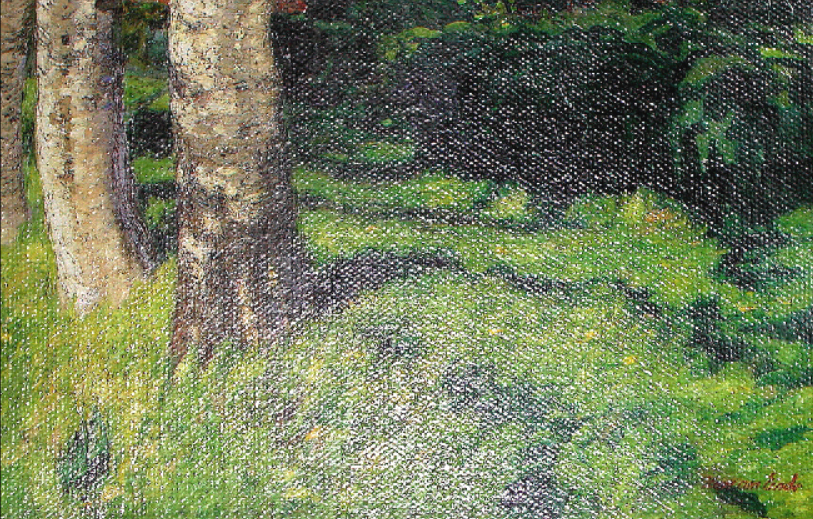
The manual describes a new canvas transfer technique for easily removing an image from an art print and embedding it into canvas. Unlike other canvas transfer techniques, you won't have to paint on any transfer mediums to remove the backing paper from the imager. Using this new high-end canvas transfer technique, all the original colour and beauty of the art print is retained without any degradation. The embedded image pigment will lie on the surface of the canvas, just like the paint of an original painting.
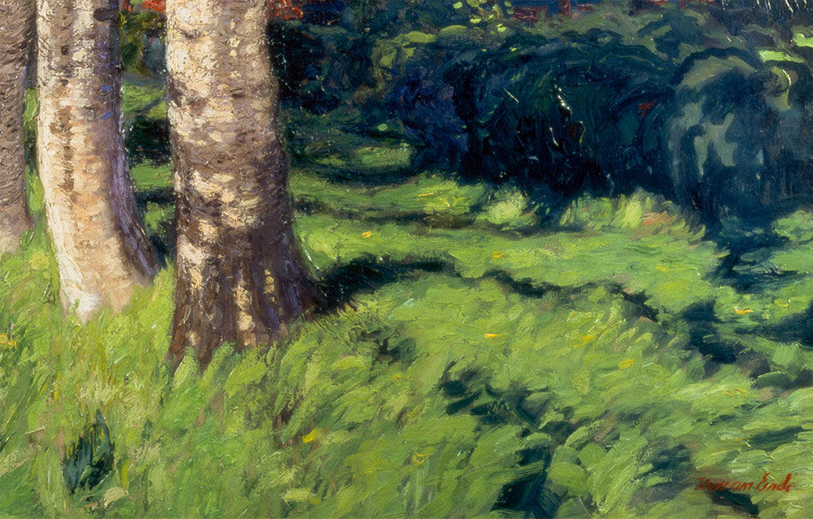
The picture below shows just a small section of an art print image. To see how it looks both before and after it has been transferred into artist canvas, just mouse over it (touch-on for hand held devices).
A Better Canvas Print
Artists often use techniques that blend colors seamlessly without showing any visible brush strokes. These works typically have a two-dimensional quality, emphasising colour and form over brushwork texture. Such artists using this method include Renoir, Sargent, kilimt, Cézanne and Matisse. These paintings may show the texture of the canvas upon which they are painted. This look can be convincingly produced using the high-end canvas transfer technique alone. The result is similar to a canvas print, but much better.
A canvas print is an image printed onto canvas material, often stretched over a wooden frame for display. It is commonly used to reproduce artwork or providing a textured, painterly appearance.
The problem is that many producers of canvas prints use cheap polyester or poly-cotton blends that feel different from real artist canvas and simply don't look authentic. They look flat, thin and cheap.
Using the high-end canvas transfer technique, real artist canvas is used which give the artwork the look and feel of an original painting. The high-end canvas transfer technique can therefore be a more convincing and economic competitor to many canvas print offerings.
If you're selling your work by post, or for buyers wishing just the artwork unmounted, the canvas transfer alone may be completed with a coat of protective UV varnish.
Brushwork
The manual provides an armoury of tools, materials and know-how that will enable you to replicate all the details that you would expect to see in an original canvas including 3D brushstrokes, ageing effects, hairline cracks (craquelure) and everything else to complete the picture and make it your own.
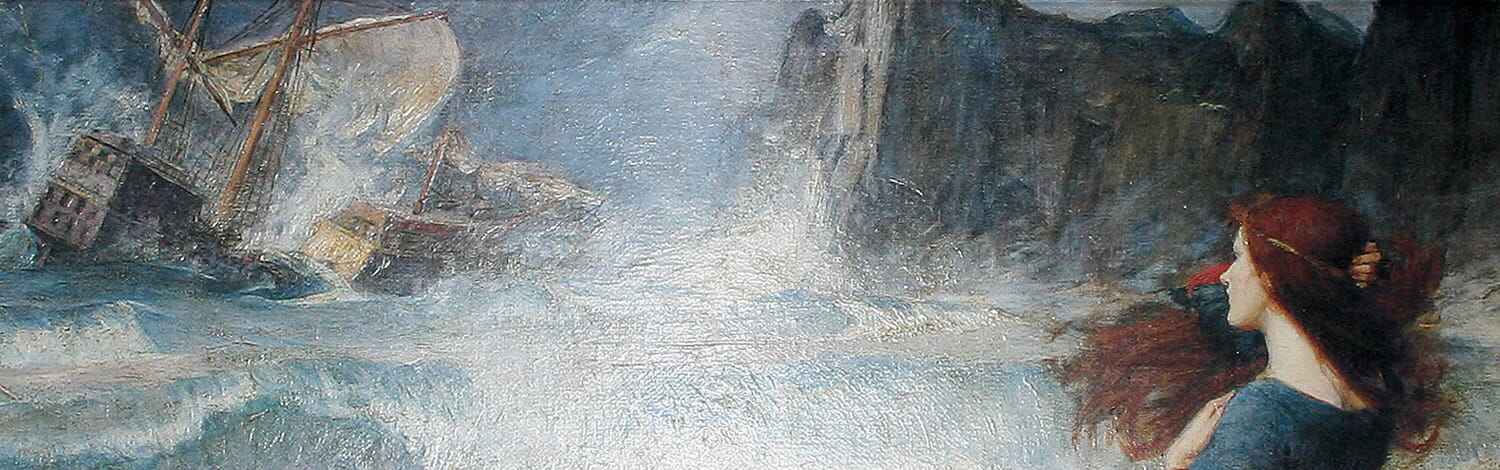
Below is a replica painting of Miranda - The Tempest, by John William Waterhouse. After the print image was embedded into the canvas, brushwork detail was added by following the colour boundaries shown on the image.

See detailed brushwork below
The brushwork detail may be seen in the larger image shown below. On desktop machines, click on the image and use the horizontal and vertical scroll bars to navigate the image. Alternatively, finger scroll over the image if you're using a hand held device.

Use the scrollbars above to view brushwork, or finger scroll on hand held devices
Use the scrollbars above to view brushwork, or finger scroll on hand held devices
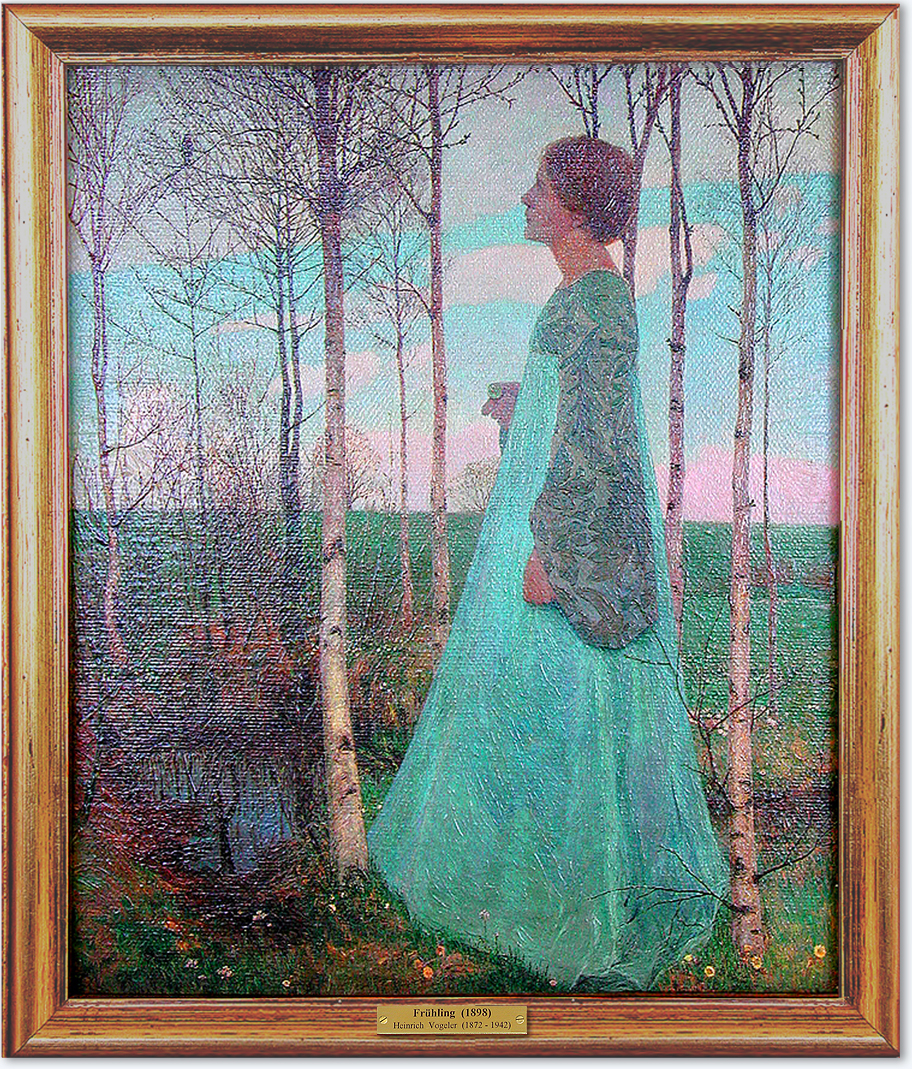
Below is a further example of a painting reproduction based on a canvas transfer. Here, some light brushwork detail has been added. The whole is protected with UV satin varnish.
Displaying Your Work
The manual devotes a chapter on how to stretch canvas and how to make picture frames. Both chapters provide step-by-step instructions with lots of photos and tips.
There are several options for completing your canvas transfer for display, including a traditional wooden stretcher, a strainer or to art board:
- Gallery wrap: mounted so the canvas wraps around and is visible on all four sides.
- Museum wrap: Mounted so that the whole canvas is displayed on the front face..
- Framed: either of the above fitted to a picture frame.

Gallery Wrap - Museum Wrap - Framed
If your selling your canvas transfers by post, the normal way is to send just the completed canvas unmounted and rolled in a postal tube, see below:
Wow....you are awesome! Excellent customer service ...and very quick response!
Jackie
Selling Your Work
Creating your own canvas transfers and replica paintings is a great way of gathering a collection of your favourite art. It's not only creative and fun, but can also lead to an extra income or a home based business.

The Art Print Masterpiece can be used to develop new skills to help start a home based business or to compliment your existing art business.
The manual devotes a chapter to selling your work and creating a value added package to encourage repeat orders and new commissions.
There are lots of outlets for selling your canvas transfers and painting reproductions including friends, family, colleagues, wedding gifts, hotels, restaurants, galleries, antique shops, offices, reception areas, interior decorators, picture framers and poster shops, many online resources - to name just a few. With your own web site, you can also sell your artworks with your own shop window to the world.
When selling your work by post, the normal practice is to send just the rolled canvas in a postal tube, which is economic and avoids damage. To convey professionalism and exclusivity, a picture name plate and certificate of authenticity (see below) is also included, all protected in acid free tissue paper.
Turn Your Finished Canvas into Something Special
Once you’ve mastered the technique, the possibilities are endless.
You can create:
- Beautiful wall art for your home
- Unique, handmade gifts
- Custom canvas pieces from your favourite images
- Artwork with the look and feel of classic paintings
How to Make Picture Name Plates

Printer lettering transferred to brass nameplate
Did you know that a Laserjet printer can be used for producing the text on picture nameplates made from brass, wood plastic and other materials?
Of course, the printer is not used to print-out directly onto these materials. The lettering is transferred using a new technique described in the manual.
The name plate provides the title of the picture and the name of the original artist and provides that authentic finishing touch to complete your masterpice. If you're selling just the canvas by post, the inclusion of a nameplate adds extra value.
I think the whole thing is fantastic. I've been oil painting "the hard way" for years and can't wait to experiment with this 'new technology'.
John
Certificate of Authenticity
Although it remains a copy of an original artwork, the painting reproduction that you create is a unique piece in its own right. A Certificate of Authenticity (COA) provides an opportunity to distinguish your work from that of others, conveys exclusivity, informs the buyer what they are paying for and provides added value.
A painting reproduction created from The Art Print Masterpiece may well appear as an original painting. The COA prevents any ambiguity by stating that it is a reproduction.
The COA provide a helpful record of the materials used and how it was created. Also, details of the original artist, his or her period and the title of the work.
The COA should also include your contact details, address, email, website, business name, etc. This can be especially helpful should the buyer wish to get in contact with you for a commission, or repeat orders.
The manual provides a link an exclusive reader zone where an example Certificate of Authenticity may be download, edited to suit your needs and then printed out to accompany your artwork.

Certificate of Authenticity
Endorsing Stamp
To associate the Certificate of Authenticity with a specific painting reproduction, the back of the canvas may be stamped with a cross referencing identification number. Stamp kits are available that you can easily make-up yourself for this purpose. The stamp may also include details of your brand, business, website etc. A link from the manual to the reader zone shows where you can buy the stamp kit online
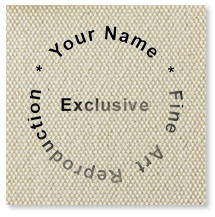
Endorsing stamp, or gallery stamp
Interactive eBook
Unlike a paper version, The Art Print Masterpiece eBook provides internal clickable navigation links as well as external links to exclusive time saving and problem solving reader resources, including:
- An editable Certificate of Authenticity that you may customise according to your artwork.
- An initial shopping list to get you started with your first reproduction painting.
- Links to online suppliers of the tools and materials that you may need, both in the UK and US.
- Buyer instructions on how to look after their new painting reproduction that you may edit to customise with your own branding
- Support to help assure your success.
Here's an eBook technology sampler used by The Art Print Masterpiece
Well, off to study my new book. I find the price so reasonable - I am totally thrilled to locate you on the internet. I tried searching for canvas transfer - photo transfer - etc, and pulled up nothing. I just kept putting in different searches using all the web engines I could think of and located you. Yippee !!!!!!!!!!!!!
Linda
The Art Reproduction Market
The market for quality art reproductions is projected to grow significantly in the coming years, driven by advancements in digital printing technologies and increasing consumer interest in affordable art options.
For most of us, an original master painting is beyond our financial reach or it belongs to someone else. Painted copies are a next best option but they can be expensive and often deviate from the original in colour and composition. Cheap reproductions often disappoint since they simply don’t hit the mark and can be short lived.
The Art Print Masterpiece provides the techniques and know-how to enable the creation of high quality painting reproductions that convey the value and prestige of an original work. Moreover, the quality of materials referred to in the manual enables the replicas and reproductions to last for 100 years or more when properly displayed or stored, making them highly resistant to fading and discoloration.
According to Fortune Business Insights, the global art reproduction market size was valued at USD 50.62 billion in 2025 and is projected to grow from USD 53.26 billion in 2026 to USD 89.78 billion by 2034, exhibiting a compound annual growth rate of 6.74% during the forecast period.
North America currently leads the market with a commanding 43% share, followed by Europe and Asia-Pacific.
I was so excited to find your site. I have been looking all over the web trying to find instruction on how to do canvas transfers.
Jeanette
In the Footsteps of the Masters
Some of the replica painting reproductions that we personally enjoy creating belong to the Pre-Raphaelites. These works require
more time and effort but can be very rewarding. Whilst carefully following the brushwork it often felt (true or imaginary) that I
was in the mind of the master himself.
The traces of oil painting reproduction can be found starting in the 16th century. Traditionally, students of the old masters
learned how to paint by working in the style of their teachers.
This process of mimicking their master’s work would enable a student to practice a skilled mode of painting before developing their
own approach. Many famous artists employed this practice, including John Singer Sargent, Edgar Degas, and Pablo Picasso.
Perhaps the most well known of all students who learned by reproduction was Leonardo da Vinci. Beginning as an apprentice under the
master sculptor and painter Andrea Del Verrocchio, Leonardo would have learned to paint in the style of the master himself.
Clearly, following the masters in creating painting reproductions is a noble business.
Thank you, Clive for your helpful reply to my original art question ! and thank you for your personal interest. I always do paint my original painting on canvas. But I was hoping to sell prints of that painting, which would be faster. However, you've got me thinking... And I may just paint several originals. It seems so obvious, but I never considered it ! Thank you for opening my mind !
Jeannine
Buy With Confidence
You can start your next creative journey in minutes. After secure PayPal checkout you will have instant access to The Art Print Masterpiece. For you assurance, we offer a generous no-nonesence 60 day 100% satisfaction guarantee - or your money back.
